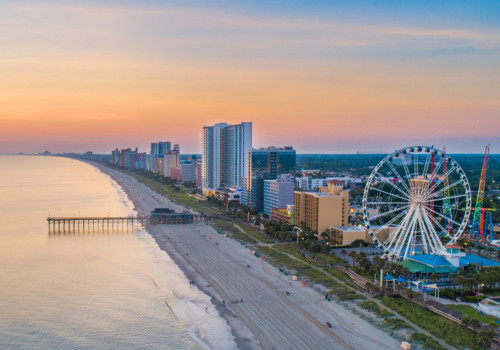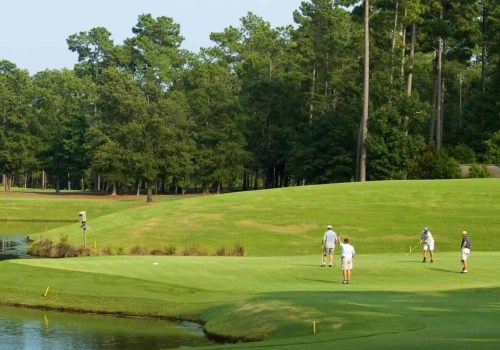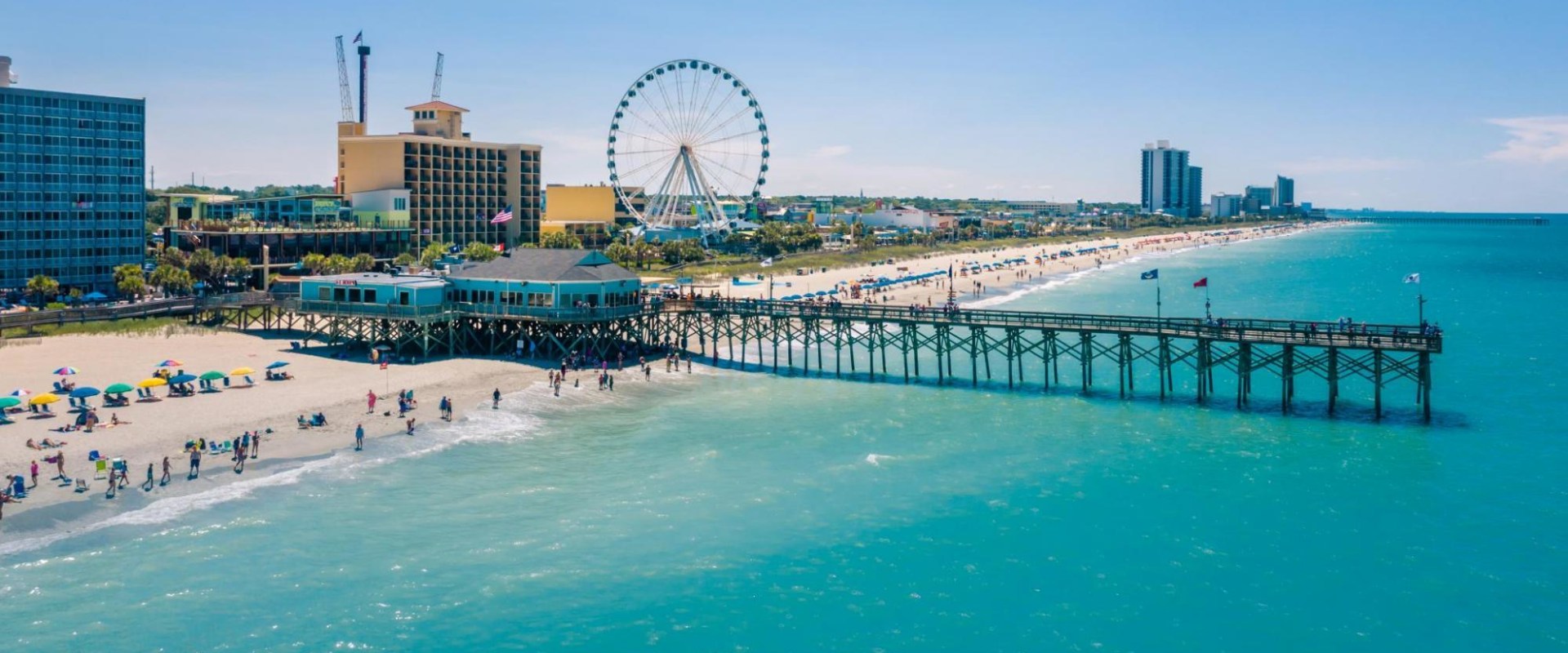
Nestled along the stunning coastline of South Carolina, Myrtle Beach is not just a popular vacation spot; it is a treasure trove of history waiting to be uncovered. The area’s rich past is woven into its vibrant culture, making it a unique destination for those who seek to explore more than just sun-soaked beaches and lively entertainment. From its early days as a quiet fishing village to its transformation into a bustling tourist hub, the historical significance of Myrtle Beach is both fascinating and multifaceted.The origins of Myrtle Beach can be traced back to the late 19th century when it was primarily known for its natural beauty and serene landscapes. The establishment of the railroad in the early 1900s marked a pivotal moment in its development, opening the doors for visitors from far and wide.
This influx of tourists not only contributed to the local economy but also laid the groundwork for the diverse attractions that define Myrtle Beach today. As you stroll along the sandy shores or explore the lush greenery, you can almost feel the echoes of history resonating through the air.What sets Myrtle Beach apart is its seamless blend of natural beauty and cultural heritage. The area boasts numerous historical sites, each telling a story that adds depth to your visit. From historic plantations that showcase the region's agricultural roots to museums that celebrate local art and music, there is no shortage of opportunities to delve into the past.
As we embark on this journey through time, we will uncover the layers of history that have shaped Myrtle Beach, revealing how this coastal gem has evolved while preserving its unique identity.
The Early Days: Native American Heritage
Long before the sandy shores of Myrtle Beach became a popular tourist destination, the area was home to various indigenous tribes who thrived in the rich natural environment. The most prominent among these were the Waccamaw and the Pee Dee tribes, both of which played a significant role in shaping the early history of this coastal region.The Waccamaw tribe, known for their deep connection to the land and waterways, inhabited the area around the Waccamaw River. They were skilled fishermen and hunters, utilizing the abundant resources of the rivers and forests. Their diet primarily consisted of fish, shellfish, and game, supplemented by foraged plants and berries.The tribe's social structure was organized around extended families, with a strong emphasis on community and cooperation.Similarly, the Pee Dee tribe occupied areas further inland along the Pee Dee River. They were known for their agricultural practices, cultivating crops such as corn, beans, and squash. The Pee Dee people also engaged in trade with neighboring tribes, exchanging goods like pottery and woven baskets. Their craftsmanship was highly regarded, and many artifacts from this period have been uncovered in archaeological sites throughout the region.Both tribes utilized natural resources sustainably, demonstrating a profound respect for their environment.
They developed intricate systems of governance and social organization that allowed them to thrive for centuries before European contact. Their spiritual beliefs were deeply intertwined with nature, often celebrating seasonal changes through rituals and ceremonies.The arrival of European settlers in the 16th century marked a turning point for these indigenous communities. As colonization progressed, many Native Americans faced displacement due to land encroachment and disease brought by Europeans. This led to significant cultural shifts and a decline in population among the tribes.Despite these challenges, the legacy of the Waccamaw and Pee Dee tribes remains an integral part of Myrtle Beach's history.
Today, efforts are being made to honor their contributions through cultural preservation initiatives and educational programs that highlight their rich heritage.Understanding the early days of Myrtle Beach through the lens of its Native American history provides valuable insight into the region's development. It reminds us that this beautiful coastal area is not just a vacation spot but also a place steeped in rich cultural narratives that deserve recognition and respect.
Colonial Era and European Settlement
The colonial history of Myrtle Beach is a fascinating tapestry woven from the threads of European exploration, settlement, and the establishment of plantations that would define the region's economic landscape. The arrival of European settlers in the early 18th century marked a significant turning point for this coastal area, transforming it from a largely untouched wilderness into a thriving hub of agricultural activity.In 1730, the first European settlers began to arrive in what is now Myrtle Beach, drawn by the fertile lands and abundant resources. These early pioneers were primarily English and Scottish immigrants who sought new opportunities in the New World.They quickly recognized the potential for agriculture, particularly in the cultivation of rice, which became a staple crop in the region.
Establishment of Plantations
The establishment of plantations was pivotal to the economic development of Myrtle Beach. Wealthy landowners acquired large tracts of land along the Waccamaw River and its tributaries, where they built grand homes and began cultivating rice and indigo. The climate and soil conditions were ideal for these crops, leading to significant profits for plantation owners.- Rice Plantations: The cultivation of rice required extensive labor, which led to the importation of enslaved Africans. This tragic chapter in history not only shaped the demographics of Myrtle Beach but also laid the foundation for its agricultural economy.
- Indigo Production: Alongside rice, indigo became another lucrative crop.
The deep blue dye extracted from indigo plants was highly sought after in Europe, further enriching plantation owners.
The remnants of this period can still be seen today in various historic sites and landmarks that tell the story of resilience, adaptation, and growth amidst changing times.
The Rise of Tourism in Myrtle Beach
The transformation of Myrtle Beach from a serene coastal retreat to a vibrant tourist hotspot is a fascinating journey marked by strategic developments and cultural shifts. Initially, the area was primarily known for its natural beauty and quiet charm, attracting a modest number of visitors seeking solace by the sea. However, the post-World War II era heralded a new chapter in the region's history, as returning veterans and their families began to explore vacation options along the East Coast.One of the pivotal moments in the rise of Myrtle Beach as a tourist destination was the construction of the Intracoastal WaterwayIntracoastal Waterway in the 1930s. This waterway not only enhanced accessibility but also opened up new opportunities for recreational activities such as boating and fishing, which appealed to families looking for outdoor adventures.As more visitors discovered the area, local entrepreneurs began to invest in infrastructure, leading to the establishment of motels, restaurants, and entertainment venues.By the 1960s, Myrtle Beach had firmly established itself as a premier vacation spot. The introduction of attractions like amusement parks and golf courses catered to a diverse range of interests. The Myrtle Beach Pavilion , which opened in 1949, became a central hub for entertainment, featuring rides, games, and live performances that drew crowds from near and far.As tourism flourished, so did the need for improved accommodations and amenities. The 1970s saw a boom in hotel construction along the coastline, with many establishments offering oceanfront views and family-friendly services.
This period also marked the beginning of annual events that would become staples of Myrtle Beach's cultural calendar, such as the Myrtle Beach Bike Week and various music festivals that showcased local talent.Today, Myrtle Beach is renowned not only for its stunning beaches but also for its rich array of historical attractions. Sites like the Hobcaw Barony , which offers insights into the region's plantation history, and Brookgreen Gardens , showcasing art and nature, provide visitors with a deeper understanding of the area's heritage. These attractions complement the modern tourist experience, ensuring that while Myrtle Beach continues to evolve as a destination, it remains deeply connected to its historical roots.The rise of tourism in Myrtle Beach is a testament to how thoughtful development can transform a community while preserving its unique character. As visitors flock to this coastal gem year after year, they not only enjoy its contemporary offerings but also partake in a rich tapestry of history that continues to shape its identity.
Historic Sites to Explore in Myrtle Beach
Myrtle Beach is not just a destination for sun and surf; it is also a treasure trove of historic sites that reflect the rich tapestry of its past.From colonial plantations to cultural landmarks, each site offers a unique glimpse into the history and heritage of this vibrant coastal city.
1.Hopsewee Plantation
One of the most significant historic sites near Myrtle Beach is the Hopsewee Plantation, established in 1735. This beautifully preserved rice plantation is located on the banks of the Santee River, just a short drive from Myrtle Beach. Visitors can explore the main house, which showcases stunning examples of colonial architecture and period furnishings. Guided tours provide insights into the lives of the plantation's inhabitants, including stories about the enslaved people who worked the land. The grounds are adorned with majestic live oak trees draped in Spanish moss, creating a picturesque setting that feels like stepping back in time.
2.The Kaminski House Museum
Located in nearby Georgetown, the Kaminski House Museum is another must-visit for history enthusiasts.
Built in the early 18th century, this historic home offers a fascinating look at Southern architecture and lifestyle. The museum features an extensive collection of antiques and artifacts that tell the story of its former residents. Guided tours allow visitors to appreciate not only the beauty of the house but also its historical significance within the context of Georgetown's development.
3.Brookgreen Gardens
A short drive from Myrtle Beach leads to Brookgreen Gardens, a stunning 16,000-acre sculpture garden and wildlife preserve. Originally created as a winter retreat for financier Bernard Baruch, this site combines art and nature in a breathtaking landscape.
Visitors can stroll through beautifully landscaped gardens, view impressive sculptures, and learn about the area's history through various exhibits. The gardens also host seasonal events that celebrate local culture and heritage.
4.Atalaya Castle
For those interested in unique architecture, Atalaya Castle, located within Huntington Beach State Park, is an intriguing site to explore. Built in the 1930s by sculptor Anna Hyatt Huntington and her husband, this Moorish-style castle reflects their artistic vision and love for nature. The castle's ruins are open for exploration, allowing visitors to imagine life during its heyday while enjoying views of the surrounding park.
5.Charlie's Place
No exploration of Myrtle Beach's history would be complete without a visit to Charlie's Place, a historic nightclub that played a pivotal role in the city's musical heritage.
Established during segregation, this venue was one of the few places where African American musicians could perform freely. Today, it serves as a cultural landmark celebrating Myrtle Beach's rich musical legacy and hosts events that honor local artists.These historic sites not only offer visitors a chance to learn about Myrtle Beach's past but also provide an opportunity to appreciate its cultural heritage. Whether you're wandering through ancient gardens or exploring colonial homes, each location tells a story that contributes to the vibrant history of this coastal gem.
Cultural Influences: Music and Arts in Myrtle Beach
The cultural landscape of Myrtle Beach is a vibrant tapestry woven from various musical and artistic influences that reflect the area's rich heritage. Over the years, this coastal city has become a melting pot of traditions, where the sounds of jazz, blues, and country music resonate alongside the visual arts that capture the essence of its natural beauty.Myrtle Beach Music History
The music scene in Myrtle Beach has deep roots, dating back to the early 20th century when the area began to attract visitors seeking both relaxation and entertainment.
The famous ” became known for its lively beach music, a genre that blends rhythm and blues with a touch of Southern rock. This unique sound not only defines the local music culture but also serves as a nostalgic reminder of summer nights spent dancing under the stars.One of the most significant events in Myrtle Beach's music history is the annual Carolina Beach Music Awards , which celebrates local artists and honors those who have made substantial contributions to the genre. This event draws music lovers from all over, showcasing performances that highlight both established and emerging talents.
Cultural Influences in Myrtle Beach
The cultural influences in Myrtle Beach extend beyond music. The city has a rich tradition of arts that is evident in its numerous galleries, theaters, and public art installations.
Local artists often draw inspiration from the stunning coastal landscapes, creating works that reflect the beauty of their surroundings. The Myrtle Beach Art Museum serves as a hub for artistic expression, featuring rotating exhibits that showcase both local and national artists.Moreover, festivals such as the Myrtle Beach International Film Festival provide a platform for filmmakers to share their stories, further enriching the cultural fabric of the area. These events not only entertain but also foster community engagement and appreciation for diverse artistic expressions.
Local Traditions and Community Engagement
Local traditions play a crucial role in shaping Myrtle Beach's identity. Events like the Myrtle Beach Jazz Festival celebrate not only music but also community spirit, bringing together residents and visitors alike to enjoy performances by talented musicians.
Such gatherings create an atmosphere of camaraderie and shared appreciation for the arts.In conclusion, the cultural influences that have shaped Myrtle Beach are as diverse as its population. From its rich musical heritage to its thriving arts scene, this coastal city continues to evolve while honoring its past. Whether you are a local or a visitor, immersing yourself in Myrtle Beach's cultural offerings is an experience that enriches your understanding of this unique destination.
Modern Developments and Preservation Efforts
The evolution of Myrtle Beach into a bustling tourist destination has brought about significant modern developments that have transformed its landscape. However, this growth has not come without challenges, particularly in preserving the rich historical fabric of the area.As new hotels, restaurants, and entertainment venues spring up, the need to balance progress with preservation has become increasingly important.In recent years, Myrtle Beach has seen a surge in contemporary attractions that cater to a diverse range of visitors. From the iconic SkyWheel, which offers breathtaking views of the coastline, to the expansive Broadway at the Beach shopping and entertainment complex, these developments have redefined the tourist experience. Yet, amidst this modernization, there is a concerted effort to maintain the historical integrity of the region.
Preservation Initiatives
Local organizations and government bodies have initiated several preservation efforts aimed at safeguarding Myrtle Beach's historical sites. One notable initiative is the Myrtle Beach Historic Preservation Commission , which works diligently to identify and protect sites of historical significance.This includes not only well-known landmarks but also lesser-known structures that contribute to the area's unique narrative.Additionally, community engagement plays a crucial role in these preservation efforts. Residents are encouraged to participate in local history programs and events that celebrate Myrtle Beach's past. Educational workshops and guided tours help raise awareness about the importance of preserving historical sites for future generations.
Challenges Ahead
Despite these positive strides, challenges remain. The rapid pace of development often puts pressure on historical sites, leading to potential conflicts between developers and preservationists.For instance, proposals for new construction near historic areas can spark debates about zoning laws and the impact on local heritage.To address these challenges, it is essential for stakeholders—including city planners, developers, and community members—to engage in open dialogue. By fostering collaboration and understanding, Myrtle Beach can continue to grow as a modern tourist hub while honoring its rich history.In conclusion, as Myrtle Beach navigates its path forward, the commitment to preserving its historical essence remains vital. Through ongoing efforts and community involvement, this vibrant coastal city can ensure that its past is not only remembered but celebrated amidst its modern developments.
Frequently Asked Questions about Myrtle Beach's History
As visitors flock to Myrtle Beach for its stunning coastline and vibrant entertainment, many are also curious about the rich tapestry of history that underpins this beloved destination. Below are some frequently asked questions that delve into the historical aspects of Myrtle Beach.What is the origin of the name "Myrtle Beach"?
The name "Myrtle Beach" is derived from the wax myrtle trees that are abundant in the area.These trees, known for their aromatic leaves and berries, were a significant part of the local ecosystem and contributed to the natural beauty that attracted early settlers and tourists alike.
When was Myrtle Beach established as a resort destination?
Myrtle Beach began to emerge as a resort destination in the early 20th century. The construction of the first hotel, the Palace Hotel , in 1901 marked a pivotal moment in its development. By the 1930s, Myrtle Beach had gained popularity as a vacation spot, particularly among families seeking a seaside retreat.What historical events have shaped Myrtle Beach?
- The Great Hurricane of 1954: This devastating storm caused significant damage to the area, leading to changes in building codes and infrastructure improvements.
- The Civil Rights Movement: Myrtle Beach played a role in the broader Civil Rights Movement during the 1960s, with local activists advocating for desegregation and equal rights.
- Development Boom: The late 20th century saw a rapid expansion of tourism-related businesses, transforming Myrtle Beach into a bustling hub for visitors.
Are there any historical landmarks to visit in Myrtle Beach?
Yes, Myrtle Beach is home to several historical landmarks that offer insight into its past. Notable sites include:- The Old Pavilion: Once a popular amusement park and concert venue, remnants of this historic site can still be seen today.
- The Franklin G.
Burroughs-Simeon B. Chapin Art Museum:
Housed in a historic home, this museum showcases local art and history. - The Myrtle Beach Boardwalk: Established in 2010 but inspired by earlier boardwalks, it reflects the city's long-standing connection to beachside leisure.
Conclusion: Reflecting on the Rich Tapestry of Myrtle Beach's Past
As we conclude our exploration of Myrtle Beach's rich history, it becomes evident that this vibrant coastal city is more than just a popular vacation destination. It is a place steeped in a diverse tapestry of cultural influences, historical events, and natural beauty that have shaped its identity over the centuries.From the early days of Native American tribes to the establishment of rice plantations and the evolution into a bustling tourist hub, each chapter of Myrtle Beach's past contributes to its unique character. The Hopsewee Plantation , with its roots dating back to 1735, serves as a poignant reminder of the region's agricultural heritage and the complexities of its history.Similarly, the Kaminski House offers insights into the lives of those who shaped the local economy and culture through their contributions.Moreover, sites like Brookgreen Gardens not only showcase the area's natural beauty but also highlight the artistic endeavors that have flourished here. The gardens stand as a testament to the vision of Bernard Baruch and his commitment to preserving the environment while celebrating art and sculpture.As we reflect on these historical landmarks, it is crucial to recognize how they inform our understanding of Myrtle Beach today. The city’s vibrant music scene at Charlie's Place and its ongoing cultural events are direct descendants of this rich heritage. They remind us that while Myrtle Beach has transformed into a modern tourist destination, its roots remain deeply embedded in history.In appreciating Myrtle Beach's past, we gain a deeper understanding of its present and future.
This knowledge enriches our experiences as visitors and residents alike, allowing us to connect more meaningfully with the community and its stories. As you plan your next visit or reflect on your time spent here, consider taking a moment to explore these historical sites and engage with the narratives they hold.Ultimately, discovering the rich history of Myrtle Beach is not just about looking back; it is about embracing the lessons learned and celebrating the vibrant culture that continues to thrive in this beautiful coastal city.