The history of Myrtle Beach is a rich tapestry woven from the threads of its early inhabitants and the natural beauty that surrounds it. Long before it became a bustling tourist destination, this coastal area was home to Native American tribes, including the Waccamaw and the Pee Dee. These indigenous peoples thrived in the region, utilizing the abundant resources of the land and waterways for sustenance. They established settlements along the rivers and marshes, where they hunted, fished, and cultivated crops, laying the groundwork for a vibrant culture that would influence the area for centuries to come.As European settlers arrived in the 17th century, they began to transform the landscape of Myrtle Beach.
The fertile soil and favorable climate attracted plantation owners who sought to capitalize on the agricultural potential of the region. Rice became a primary crop, leading to the establishment of large plantations that relied heavily on enslaved labor. This period marked a significant shift in the area's demographics and economy, as plantations flourished and small settlements began to emerge. The legacy of these early settlers is still evident today in the architecture and cultural influences that permeate the region.Understanding the origins of Myrtle Beach is essential for appreciating its growth into a modern city.
The interplay between Native American traditions and European colonial practices created a unique cultural landscape that has evolved over time. As we delve deeper into this fascinating history, we will uncover how these early settlements laid the foundation for what would eventually become one of South Carolina's most beloved coastal destinations.
Colonial Era and Agricultural Development
The colonial era in Myrtle Beach marked a significant turning point in the region's agricultural development, particularly with the rise of rice cultivation. This period, spanning from the late 17th century to the early 19th century, saw the establishment of large plantations that would shape the local economy and society for generations.One of the most notable plantations from this era is Mansfield Plantation , founded in 1685 by Henry Woodward. Spanning over 900 acres, Mansfield was primarily dedicated to rice production, which became a lucrative crop due to its high demand in both domestic and international markets.At its peak, the plantation produced more than 6,000 barrels of rice annually, relying heavily on the labor of enslaved individuals who were brought to work the fields.The success of rice cultivation in Myrtle Beach can be attributed to several factors:
- Geographic Advantages: The region's coastal location provided access to tidal rivers and marshlands, which were ideal for rice paddies.
- Labor Force: The introduction of enslaved Africans brought not only labor but also agricultural knowledge that was crucial for successful rice farming.
- Innovative Techniques: Planters adopted advanced irrigation methods and crop rotation practices that enhanced productivity.
The legacy of these agricultural practices can still be seen today in various historical sites and museums that celebrate this rich heritage.The impact of colonial agriculture on Myrtle Beach extends beyond economics; it has shaped cultural identities and community structures that persist even in modern times. Understanding this history is essential for appreciating the complexities of Myrtle Beach's past and its evolution into a vibrant coastal city.
The Rise of Tourism in Myrtle Beach
The transformation of Myrtle Beach into a premier tourist destination began in the early 20th century, driven by a combination of natural beauty, strategic development, and the burgeoning interest in leisure travel. Initially, the area was known primarily for its serene beaches and lush landscapes, but it was not until the 1930s that significant steps were taken to promote tourism.One of the pivotal moments in the rise of Myrtle Beach tourism was the establishment of the Myrtle Beach Pavilion in 1948. This amusement park became a central attraction, offering rides, games, and entertainment that drew families and visitors from across the region. The Pavilion not only provided recreational activities but also served as a social hub where tourists could gather and enjoy live performances.As the demand for beach vacations grew post-World War II, so did the development of accommodations.The 1950s saw a surge in hotel construction, with motels and resorts springing up along Ocean Boulevard. These establishments catered to an increasing number of visitors seeking affordable lodging options close to the beach. The introduction of air conditioning in many hotels during this period also made stays more comfortable, further enhancing Myrtle Beach's appeal.In addition to accommodations, the local economy began to diversify with the introduction of various attractions. Golf courses emerged as a significant draw for tourists, with Myrtle Beach becoming known as the "Golf Capital of the World." Today, there are over 100 golf courses in the area, attracting enthusiasts from all over the country.The growth of Myrtle Beach as a resort town was also influenced by its accessibility.
The construction of U. S. Highway 17 in the 1960s made it easier for travelers to reach the coast, leading to an influx of visitors from neighboring states. This accessibility contributed to a boom in tourism that would shape the local culture and economy for decades to come.By the late 20th century, Myrtle Beach had firmly established itself as a family-friendly vacation destination.
The introduction of attractions such as Broadway at the Beach and Barefoot Landing provided shopping, dining, and entertainment options that appealed to a wide range of visitors. These developments not only enhanced the tourist experience but also created jobs and stimulated economic growth within the community.Today, Myrtle Beach continues to thrive as a tourist hotspot, drawing millions each year with its beautiful beaches, vibrant nightlife, and diverse attractions. The evolution from a quiet coastal town to a bustling resort destination is a testament to its enduring charm and appeal.
Cultural Landmarks and Historical Sites
Myrtle Beach is not just a destination for sun and surf; it is also a treasure trove of cultural landmarks and historical sites that tell the story of its rich past. Each site offers a unique glimpse into the area’s heritage, making them essential stops for anyone looking to understand the cultural fabric of this coastal city.One of the most significant sites is Hobcaw Barony , a sprawling 16,000-acre property that serves as a living museum of the region's history.Established in the early 20th century, Hobcaw Barony was once the winter residence of wealthy industrialist Bernard Baruch. Today, it offers guided tours that delve into its past, including its role in rice cultivation and its connection to prominent historical figures. Visitors can explore the various buildings on-site, including the former plantation house and slave cabins, which provide insight into the lives of those who worked the land.Another must-visit location is Brookgreen Gardens , founded in 1931 by sculptor Anna Hyatt Huntington and her husband Archer. This stunning 9,100-acre garden is not only a botanical paradise but also houses an impressive collection of American figurative sculpture.
The gardens are home to several historical sites, including remnants of rice plantations and a museum that showcases the artistry and history of the region. Guided tours are available, allowing visitors to appreciate both the natural beauty and historical significance of this remarkable place.
Charlie’s Place
, a historic nightclub, is another cultural landmark that holds a special place in Myrtle Beach's history. Once a vibrant hub for African American musicians during segregation, Charlie’s Place has hosted legendary artists and remains a symbol of resilience and cultural expression. Today, visitors can enjoy live music while learning about its storied past, making it a perfect blend of entertainment and education.In addition to these sites, Myrtle Beach boasts several other historical landmarks worth exploring.
The Myrtle Beach Convention Center , for instance, has been an integral part of the community since its inception, hosting numerous events that celebrate local culture and history. Furthermore, Warbird Park serves as a tribute to the Myrtle Beach Air Force Base, featuring monuments that honor veterans and educate visitors about military history.Whether you are an avid history buff or simply curious about the past, Myrtle Beach's cultural landmarks and historical sites offer enriching experiences that deepen your understanding of this vibrant coastal city.
The Impact of War on Myrtle Beach
The history of Myrtle Beach is deeply intertwined with the military, as various conflicts have significantly shaped its development and community identity. The establishment of military bases in the area has not only influenced the local economy but also fostered a unique cultural blend that reflects both military and civilian life.One of the most notable military installations in the region was the Myrtle Beach Air Force Base , which was established during World War II. Originally created as a training facility for pilots, the base played a crucial role in preparing airmen for combat.Its presence brought an influx of personnel and their families, leading to a population boom that contributed to the growth of local businesses and infrastructure.After the war, the base continued to operate, serving various functions until its closure in 1993. The impact of this military presence can still be felt today, as many veterans and their families chose to settle in Myrtle Beach , contributing to a vibrant community that honors its military heritage.In addition to the air force base, other military conflicts have left their mark on the area. For instance, during the Vietnam War, Myrtle Beach became a popular destination for soldiers on leave, further embedding military culture into the fabric of the city. This connection is celebrated through various events and memorials that pay tribute to those who served.Today, remnants of this military history can be seen throughout Myrtle Beach. The Myrtle Beach Military History Museum offers visitors a glimpse into the past with exhibits showcasing artifacts from different wars, including uniforms, weapons, and personal stories from veterans.
This museum serves as a reminder of the sacrifices made by service members and their families.Moreover, annual events such as Veterans Day parades and memorial services highlight the community's commitment to honoring its military roots. These gatherings not only celebrate those who have served but also foster a sense of unity among residents.In conclusion, the impact of war on Myrtle Beach extends beyond mere historical significance; it has shaped the community's identity and continues to influence its culture today. As visitors explore this coastal city, they will find that its rich military history is an integral part of what makes Myrtle Beach unique.
Modern Developments and Preservation Efforts
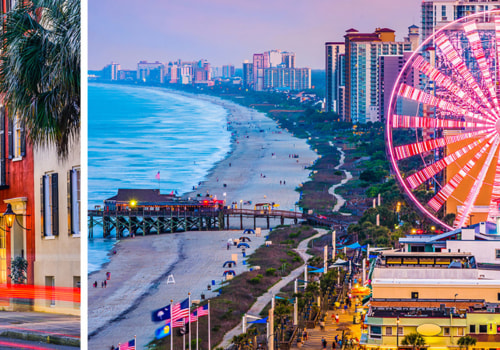
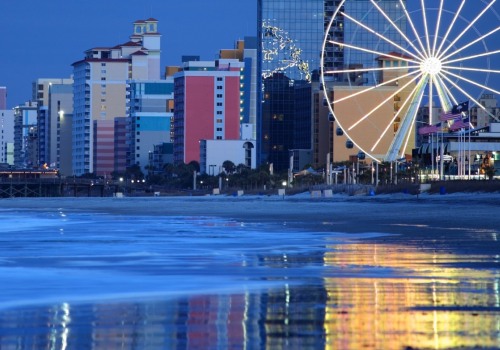
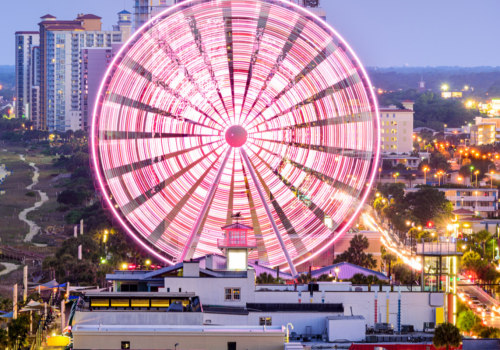
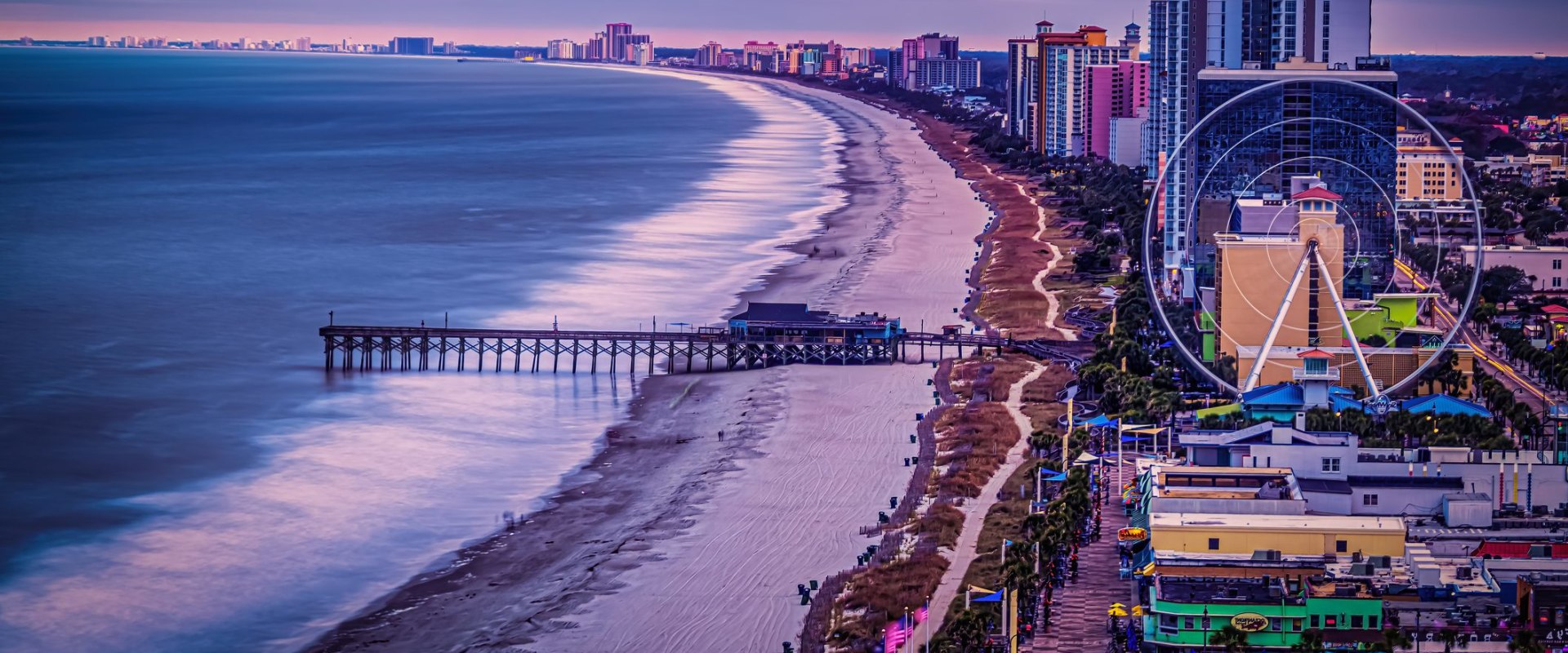
Myrtle Beach has undergone significant transformation in recent years, evolving from a quaint coastal town into a bustling tourist destination. This rapid growth has brought about modern developments that cater to the increasing number of visitors while also raising concerns about the preservation of the city’s rich historical heritage.One of the most notable modern developments is the expansion of the Myrtle Beach Boardwalk , which has become a central hub for entertainment and leisure.Stretching over a mile along the oceanfront, this vibrant area features an array of shops, restaurants, and attractions, including the iconic SkyWheel. The boardwalk not only enhances the visitor experience but also serves as a reminder of Myrtle Beach's commitment to blending modernity with its coastal charm.In addition to recreational spaces, Myrtle Beach has seen a surge in new residential and commercial properties. High-rise condominiums and luxury hotels have sprouted along the coastline, providing stunning views and upscale amenities. However, this development has sparked discussions about maintaining the character of the city and ensuring that historical sites are not overshadowed by new construction.
Preservation Efforts
To address these concerns, local organizations and government bodies have initiated various preservation efforts.The Myrtle Beach Historical Society plays a crucial role in advocating for the protection of historical landmarks. Their initiatives include educational programs aimed at raising awareness about the importance of preserving sites like the historic Hobcaw Barony and Brookgreen Gardens.Moreover, recent legislation has been introduced to safeguard significant properties from demolition or inappropriate alterations. This includes establishing guidelines for renovations that respect the architectural integrity of historical buildings. The city has also implemented zoning regulations that limit the height and design of new structures in certain areas to ensure they harmonize with the existing landscape.Community involvement is another vital aspect of preservation efforts.
Local residents are encouraged to participate in events such as historical tours and restoration projects, fostering a sense of pride in Myrtle Beach's heritage. These initiatives not only help preserve history but also strengthen community bonds.As Myrtle Beach continues to grow, finding a balance between modern development and historical preservation remains essential. By prioritizing these efforts, the city can ensure that its rich history is honored while still accommodating the needs of its residents and visitors alike.
Frequently Asked Questions about Myrtle Beach History
When exploring the rich history of Myrtle Beach, many visitors have questions that can enhance their understanding of this vibrant coastal city. Below are some frequently asked questions about the history of Myrtle Beach, along with detailed answers.What is the origin of the name "Myrtle Beach"?
The name "Myrtle Beach" comes from the wax myrtle plant, which is abundant in the area.The beach was originally known as "New Town" in the late 1800s, but it was officially renamed Myrtle Beach in 1900 when a post office was established.
When did Myrtle Beach become a popular tourist destination?
Myrtle Beach began to gain popularity as a tourist destination in the 1930s. The construction of the Myrtle Beach Pavilion in 1940 marked a significant milestone, attracting visitors with its amusement rides and entertainment options. The post-World War II era saw a boom in tourism, leading to rapid development and expansion of hotels and attractions.Are there any historical landmarks to visit in Myrtle Beach?
Yes, Myrtle Beach is home to several historical landmarks that reflect its rich past. Notable sites include:- The Myrtle Beach Convention Center: A historic venue that has hosted numerous events since its opening.
- Hobcaw Barony: A preserved plantation that offers insights into the region's agricultural history.
- Brookgreen Gardens: Founded in 1931, this site features beautiful gardens and sculptures that celebrate Southern art and history.
- Charlie's Place: A nightclub that played a significant role in the African American music scene during segregation.
What role did agriculture play in Myrtle Beach's history?
Agriculture was a cornerstone of Myrtle Beach's early economy, particularly rice cultivation.Plantations like Mansfield Plantation were instrumental in shaping the region's agricultural landscape. The labor-intensive rice production relied heavily on enslaved individuals, whose contributions are an essential part of the area's history.
How has Myrtle Beach's history influenced its culture today?
The historical influences of Myrtle Beach are evident in its diverse cultural offerings. From music festivals celebrating its rich musical heritage to events honoring its agricultural roots, the city's past continues to shape its identity. Visitors can experience this blend of history and culture through various local events and attractions.Understanding these aspects of Myrtle Beach's history not only enriches your visit but also connects you to the stories that have shaped this beloved destination over the years.Conclusion: The Enduring Legacy of Myrtle Beach's History
As we reflect on the rich tapestry of Myrtle Beach's history, it becomes clear that this coastal city is more than just a popular vacation destination; it is a place steeped in stories, culture, and heritage.From its early days as a Native American settlement to its transformation into a thriving tourist hub, the evolution of Myrtle Beach is a testament to resilience and adaptation.Throughout this exploration, we have uncovered significant historical sites that offer a glimpse into the past. The Mansfield Plantation stands as a powerful reminder of the agricultural roots that shaped the region, while Hobcaw Barony showcases the intricate relationship between land and labor during the colonial era. These sites not only highlight the economic activities of their time but also serve as poignant reminders of the human experiences intertwined with them.Moreover, landmarks such as the Myrtle Beach Convention Center and Charlie's Place illustrate how history can be preserved and celebrated in modern contexts. They provide visitors with opportunities to engage with the past while enjoying contemporary amenities.
The stories of notable figures from South Carolina, showcased at the Myrtle Beach Convention Center , further enrich our understanding of the cultural legacy that continues to influence the area.In addition to these prominent sites, smaller historical operations and local traditions contribute to the unique character of Myrtle Beach. The enduring presence of establishments like Peaches Corner reminds us that history is not solely defined by grand narratives but also by everyday experiences that shape community identity.As we conclude our journey through Myrtle Beach's history, it is essential for both residents and visitors to appreciate this rich heritage. Understanding the past not only enhances our experience of this vibrant city but also fosters a deeper connection to its cultural landscape. Whether you are strolling along its beautiful beaches or exploring its historical landmarks, remember that each step you take is on ground that has witnessed centuries of change and growth.In essence, Myrtle Beach is a living museum where history is not just preserved but actively celebrated.
By embracing this legacy, we ensure that future generations will continue to learn from and appreciate the remarkable story of Myrtle Beach.