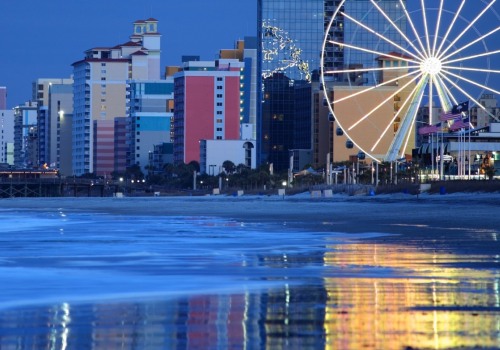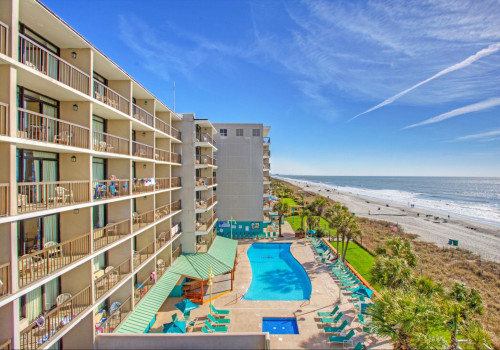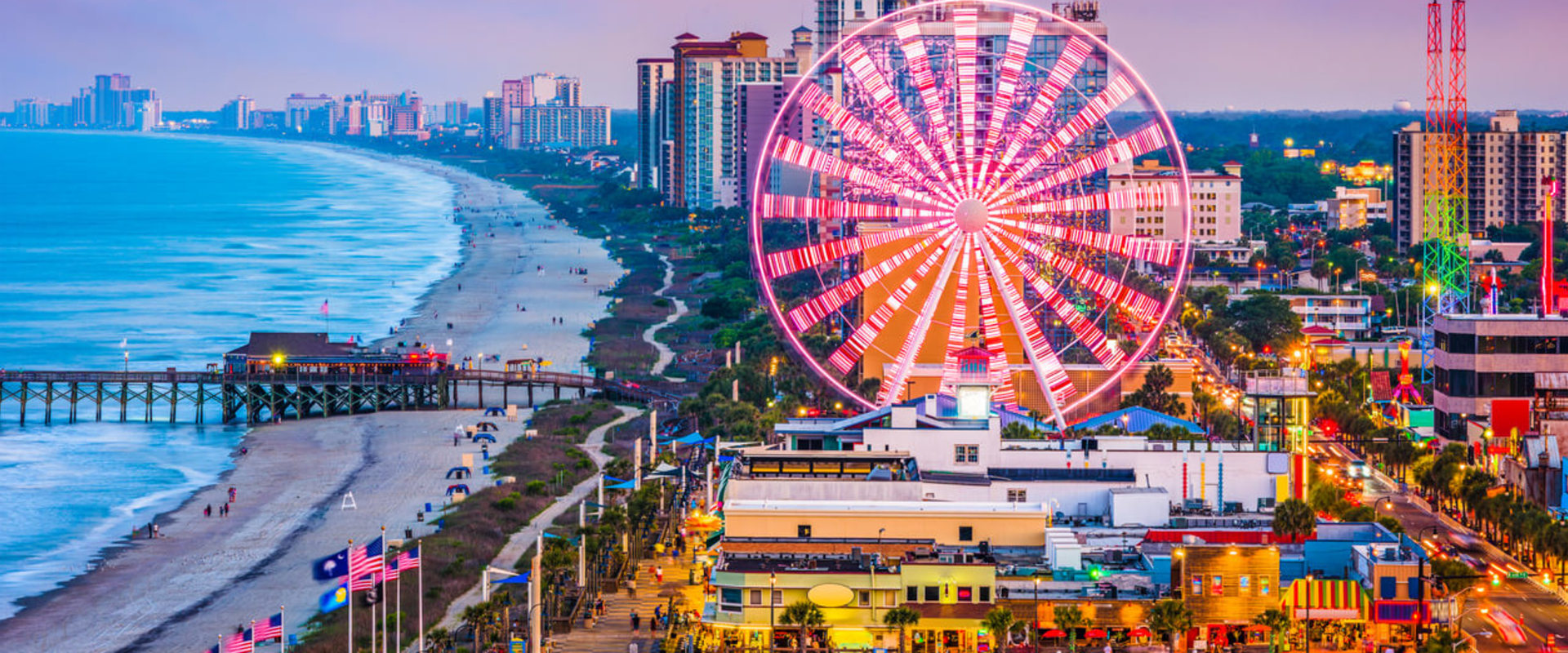
When it comes to beach destinations, few places can rival the charm and allure of Myrtle Beach. Known for its stunning coastline, warm waters, and vibrant atmosphere, this South Carolina gem attracts millions of visitors each year. Swimming in Myrtle Beach is not just a recreational activity; it’s an experience that allows you to connect with nature while enjoying the sun and surf. Whether you’re a seasoned swimmer or a novice looking to dip your toes in the ocean, understanding the local conditions and regulations is essential for a safe and enjoyable experience.The beaches of Myrtle Beach offer a unique blend of relaxation and adventure.
With miles of soft, sandy shores and inviting waves, it’s no wonder that swimming is one of the most popular activities here. The warm waters are perfect for families, couples, and solo travelers alike, providing an ideal setting for everything from casual swims to more exhilarating water sports. However, before you dive in, it’s crucial to familiarize yourself with the local swimming conditions, including water temperatures, currents, and safety regulations.In addition to swimming, Myrtle Beach boasts a plethora of water activities that cater to all interests. From paddleboarding and kayaking to jet skiing and parasailing, there’s something for everyone.
Each activity offers a different way to experience the beauty of the coastline while ensuring that your time spent in the water is both fun and safe. As you prepare for your visit, keep in mind that understanding the local rules will enhance your experience and help you make the most of your time at this beautiful beach destination.
Best Times to Swim in Myrtle Beach
When planning a trip to Myrtle Beach, understanding the best times to swim can significantly enhance your experience. The swimming season in this coastal paradise typically spans from late spring through early fall, with the most favorable conditions occurring during the summer months.Water Temperature Overview
- May: As the weather begins to warm up, the average water temperature in May hovers around 71°F (22°C). This is a great time for those who enjoy cooler water and fewer crowds.
- June: By June, the ocean warms up considerably, reaching an average temperature of 78°F (26°C).
This marks the beginning of peak swimming season, making it ideal for families and beachgoers looking to enjoy the sun and surf.
- July: July is often the hottest month in Myrtle Beach, with water temperatures averaging around 82°F (28°C). The warm waters are perfect for swimming, snorkeling, and other water activities. Expect larger crowds as families flock to the beach during summer vacations.
- August: Similar to July, August maintains warm water temperatures averaging 81°F (27°C). While it remains a popular month for swimming, late summer can bring occasional storms, so it's wise to keep an eye on weather forecasts.
- September: As summer transitions into fall, September offers pleasantly warm water at about 79°F (26°C).
The crowds begin to thin out after Labor Day, providing a more relaxed atmosphere for swimming.
- October: By October, the water cools down to around 73°F (23°C), which may still be comfortable for some swimmers. However, this month marks the end of the peak swimming season as temperatures drop and beach activities decrease.
Seasonal Weather Patterns
The weather in Myrtle Beach plays a crucial role in determining the best times to swim. Summer months are characterized by warm temperatures and plenty of sunshine, making them ideal for beach activities. However, it's essential to be aware of potential thunderstorms that can occur in late afternoon or evening during this season.In contrast, spring and fall offer milder temperatures and fewer tourists.
While the water may be cooler during these months, they can still provide enjoyable swimming experiences for those who prefer less crowded beaches.Ultimately, the best time to swim in Myrtle Beach depends on your personal preferences regarding water temperature and crowd levels. Whether you prefer the bustling summer atmosphere or the tranquility of early fall, Myrtle Beach has something to offer every swimmer throughout its swimming season.
Understanding Water Conditions and Safety
When planning a swimming excursion in Myrtle Beach, understanding the water conditions and safety measures is crucial for a fun and secure experience. The ocean can be unpredictable, and being aware of its currents, tides, and weather patterns can significantly enhance your safety.Ocean Currents and Tides
- Currents: The Atlantic Ocean is known for its varying currents, which can change with the tide and weather. Rip currents, in particular, are powerful channels of water that flow away from the shore.
If you find yourself caught in one, swim parallel to the shore until you are free from the current's grip before heading back to land.
- Tides: Tidal changes can affect swimming conditions. During high tide, the water may be deeper and more turbulent, while low tide can expose sandbars and rocks. Always check the local tide charts before heading out to ensure safe swimming conditions.
Weather Conditions
Weather plays a significant role in ocean safety. Before you head to the beach, check the forecast for thunderstorms or high winds, which can create dangerous swimming conditions.
Lightning poses a severe risk; if you hear thunder or see lightning, seek shelter immediately.
Swimming Near Lifeguards
One of the best ways to ensure your safety while swimming in Myrtle Beach is to stay close to lifeguard stations. Lifeguards are trained professionals who monitor beachgoers and can provide immediate assistance in case of emergencies. They also have valuable knowledge about current conditions and can inform you of any hazards.
Essential Swimming Safety Tips
- Never swim alone: Always swim with a buddy or in groups. This ensures that someone is there to help in case of an emergency.
- Follow posted signs: Pay attention to warning flags and signs indicating water conditions.
A double red flag means swimming is prohibited.
- Stay hydrated: The sun can be intense at Myrtle Beach, so drink plenty of water to avoid dehydration while enjoying your time in the water.
- Avoid alcohol: Consuming alcohol can impair your judgment and reaction times, making swimming more dangerous.
- Know your limits: Be aware of your swimming abilities and avoid venturing into deep waters if you are not a strong swimmer.
Local Rules and Regulations for Swimming
When enjoying the beautiful shores of Myrtle Beach, it is essential to adhere to the local rules and regulations designed to ensure the safety and enjoyment of all beachgoers. Familiarizing yourself with these guidelines will help you have a fun and safe experience while swimming and participating in other beach activities.Prohibited Activities
- Installation of Items: No items can be set up on the beach before 8 a.m. This includes tents, umbrellas, and other personal belongings.
- Swimming Restrictions: Swimming is not permitted within 75 meters of any docks.
This rule is in place to protect swimmers from potential hazards associated with boating activities.
- Depth Limitations: Swimmers must remain in water that is no deeper than chest level. This precaution helps prevent accidents and ensures that swimmers can easily return to shore if needed.
- Prohibited Swimwear: Thong-style swimsuits are not allowed on the beach or in public areas, promoting a family-friendly environment.
- Digging Holes: Digging holes deeper than two feet is prohibited. Any holes dug must be filled in before leaving the beach to prevent injuries to others.
Safety Flags and Lifeguard Regulations
The safety of swimmers is a top priority at Myrtle Beach, which is why lifeguards are stationed along the shore. It is crucial to pay attention to the safety flags displayed at lifeguard posts:- Double Red Flag: Indicates that swimming is prohibited due to dangerous conditions.
- Single Red Flag: Advises caution; swimming is allowed but may be hazardous.
- Yellow Flag: Indicates moderate surf; swimmers should exercise caution.
- Green Flag: Signals safe swimming conditions.
Lifeguards are trained professionals who can assist in emergencies and provide guidance on safe swimming practices.
Beach Equipment Guidelines
If you plan to use beach equipment such as rafts or inflatable devices, be aware of the following regulations:- Rafts: Must be made of canvas and include a 360-degree rope around the perimeter for safety.
- Diving Restrictions: Diving or jumping from docks is strictly prohibited to prevent injuries.
Essential Gear for Swimming in Myrtle Beach
When planning a day of swimming at Myrtle Beach, having the right gear can significantly enhance your experience. Here’s a comprehensive list of essential items to pack for your beach adventure.Swimwear
- Swimsuits: Choose a comfortable and durable swimsuit that fits well. For women, options like one-pieces or bikinis are popular, while men often prefer swim trunks or board shorts.
- Cover-ups: A lightweight cover-up is perfect for transitioning from the water to the beach bar or restaurant.
- Water Shoes: Consider wearing water shoes to protect your feet from hot sand and sharp objects in the water.
Sunscreen
- Broad-Spectrum Sunscreen: Opt for a water-resistant sunscreen with an SPF of at least 30.
Apply generously and reapply every two hours, especially after swimming.
- Lip Balm with SPF: Don’t forget your lips! A lip balm with SPF will help prevent sunburn.
Hydration Supplies
- Water Bottle: Staying hydrated is crucial, especially under the sun. Bring a reusable water bottle to keep yourself refreshed throughout the day.
- Cooler: If you plan to spend several hours at the beach, consider bringing a cooler filled with ice-cold drinks and snacks.
Beach Essentials
- Towel: A large, absorbent beach towel is essential for drying off after swimming and lounging on the sand.
- Beach Umbrella or Tent: For shade, bring a beach umbrella or a pop-up tent to protect yourself from the sun during breaks from swimming.
- Sunglasses: Protect your eyes from harmful UV rays with a good pair of sunglasses. Look for polarized lenses for better visibility.
- Hat: A wide-brimmed hat can provide additional sun protection and keep you cool.
Family-Friendly Swimming Activities in Myrtle Beach
When it comes to enjoying a day at the beach, Myrtle Beach is a fantastic destination for families.With its soft sands and gentle waves, it offers a variety of swimming activities that cater to children of all ages. Here are some family-friendly swimming activities and tips to ensure a safe and enjoyable experience for your little ones.
1.Choose the Right Beach Area
Not all areas of Myrtle Beach are created equal when it comes to family swimming. Look for sections that are known for their calm waters and lifeguard presence. The beaches near popular family resorts often have designated swimming zones that are safer for kids.
2.Swimming Lessons
If your children are not confident swimmers, consider enrolling them in swimming lessons before your trip.
Many local facilities offer classes tailored for kids, which can help them feel more comfortable in the water. Additionally, some resorts in Myrtle Beach provide on-site swimming lessons during the summer months.
3.Safety Gear
- Life Jackets: Always have properly fitted life jackets available for younger children or those who are still learning to swim.
- Swim Aids: Consider using floaties or swim rings, but remember they should not replace adult supervision.
- Sun Protection: Apply waterproof sunscreen regularly to protect your kids from harmful UV rays while they play in the water.
4.Set Clear Rules
Before heading into the water, establish clear rules with your children about swimming safety. Discuss the importance of staying close to an adult, not running on the sand, and recognizing lifeguard signals. This will help them understand how to enjoy their time safely.
5.Fun Activities Beyond Swimming
Myrtle Beach offers more than just swimming! Engage your family in beach games such as:
- Sandcastle Building: Encourage creativity by building sandcastles together.
- Beach Volleyball: Many beaches have volleyball nets set up for family-friendly matches.
- Snorkeling: For older kids, consider bringing snorkeling gear to explore the underwater world in shallow areas.
6.Plan for Breaks
Swimming can be exhausting, especially for young children.
Schedule regular breaks to hydrate and rest under an umbrella or beach tent. This will help prevent fatigue and keep everyone energized for more fun!By following these tips and engaging in various activities, you can create lasting memories with your family while enjoying the beautiful waters of Myrtle Beach. Whether it's splashing in the waves or building sandcastles, there's no shortage of fun waiting for you!
Exploring Other Water Activities Beyond Swimming
While swimming in the warm waters of Myrtle Beach is a delightful experience, the area offers a plethora of other exciting water activities that cater to all adventure levels. Whether you’re seeking a leisurely day on the water or an adrenaline-pumping experience, Myrtle Beach has something for everyone.Kayaking in Myrtle Beach
Kayaking is a fantastic way to explore the scenic waterways surrounding Myrtle Beach.With its calm estuaries and beautiful coastal views, kayaking allows you to connect with nature while enjoying a workout. You can rent kayaks from various local outfitters, many of which offer guided tours. These tours often take you through the serene marshlands, where you can spot local wildlife such as herons, dolphins, and even sea turtles.
Paddleboarding in Myrtle Beach
Paddleboarding has gained immense popularity in recent years, and for good reason. This activity combines balance and strength while providing a unique perspective of the water.In Myrtle Beach, you can paddleboard in both the ocean and the calmer waters of the Intracoastal Waterway. Many rental shops offer lessons for beginners, making it accessible for everyone. Imagine gliding over the water at sunrise or sunset, surrounded by stunning views—it's an experience you won't want to miss!
Jet Skiing Adventures
If you're looking for a thrill, consider renting a jet ski. The open waters of Myrtle Beach are perfect for speeding across the waves.Many rental companies provide guided jet ski tours that allow you to explore hidden coves and beautiful beaches while enjoying the rush of riding on the water. Just be sure to follow safety guidelines and wear your life jacket!
Fishing Charters
For those who enjoy fishing, Myrtle Beach offers numerous fishing charters that cater to both novice and experienced anglers. You can choose from deep-sea fishing trips or inshore excursions, depending on your preference. These charters often provide all necessary equipment and expert guidance to help you reel in your catch.In conclusion, while swimming is undoubtedly a highlight of visiting Myrtle Beach, don’t overlook the variety of other water activities available.From kayaking and paddleboarding to jet skiing and fishing, there’s no shortage of ways to enjoy the beautiful waters of this coastal paradise.
Frequently Asked Questions About Swimming in Myrtle Beach
When planning a trip to Myrtle Beach, many visitors have questions about swimming and the beach experience. Here are some of the most frequently asked questions that can help you prepare for your time in the water.What is the best time to swim in Myrtle Beach?
The ideal time for swimming in Myrtle Beach is typically from late spring to early fall, specifically from May to September. During these months, water temperatures range from the low 70s to the mid-80s Fahrenheit, making it comfortable for swimming. However, if you prefer less crowded beaches, consider visiting in late May or early September.Are there lifeguards on duty?
Yes, Myrtle Beach has lifeguards stationed at various points along the beach during the peak season, which runs from Memorial Day to Labor Day.It’s always advisable to swim near a lifeguard station for added safety.
What should I do if I encounter a rip current?
If you find yourself caught in a rip current, remain calm and remember these steps:- Don’t fight the current: Swim parallel to the shore until you are out of the current.
- Conserve energy: If you cannot swim out, float or tread water until help arrives.
- Signal for help: Raise your arm and wave to attract attention.
Can I bring my dog to the beach?
Dogs are allowed on Myrtle Beach, but there are specific regulations. Pets are not permitted on the beach from 10 a.m. to 5 p.m. during the peak season (May through September).Outside of these hours, you can enjoy the beach with your furry friend, but be sure to keep them leashed and clean up after them.
What are the rules regarding swimming with children?
When swimming with children in Myrtle Beach, it’s essential to supervise them closely at all times. Children should wear life jackets if they are not strong swimmers. Additionally, familiarize yourself with local safety flags and regulations to ensure a safe experience.By addressing these common concerns, you can enjoy a safe and fun swimming experience in Myrtle Beach. Always stay informed about local conditions and regulations to make the most of your beach visit!Conclusion: Enjoying Your Swimming Experience in Myrtle Beach
As you prepare to dive into the stunning waters of Myrtle Beach, it's essential to reflect on the key points that ensure a safe and enjoyable swimming experience.With its warm, inviting waters and beautiful sandy shores, Myrtle Beach is a paradise for swimmers of all ages. However, keeping safety at the forefront of your mind will enhance your enjoyment and peace of mind.First and foremost, always prioritize safety by swimming in designated areas monitored by lifeguards. These professionals are trained to respond to emergencies and can provide assistance if needed. Additionally, never swim alone; having a buddy not only makes the experience more enjoyable but also adds an extra layer of safety.Before you hit the waves, familiarize yourself with the local rules and regulations regarding swimming.
Understanding the safety flags displayed at lifeguard stations is crucial. For instance, a double red flag indicates that swimming is prohibited due to dangerous conditions. Always heed these warnings to protect yourself and others.Moreover, staying hydrated is vital, especially during hot summer days when you may be exposed to the sun for extended periods. Take regular breaks from swimming to rehydrate and apply sunscreen to protect your skin from harmful UV rays.In conclusion, your time spent swimming in Myrtle Beach can be both exhilarating and safe if you take the necessary precautions.
Embrace the beauty of this coastal gem while respecting its natural environment and adhering to safety guidelines. By doing so, you’ll create unforgettable memories in the sun-soaked waters of Myrtle Beach.So grab your swimsuit, pack your sunscreen, and get ready for an incredible adventure in one of South Carolina's most beloved destinations!.